

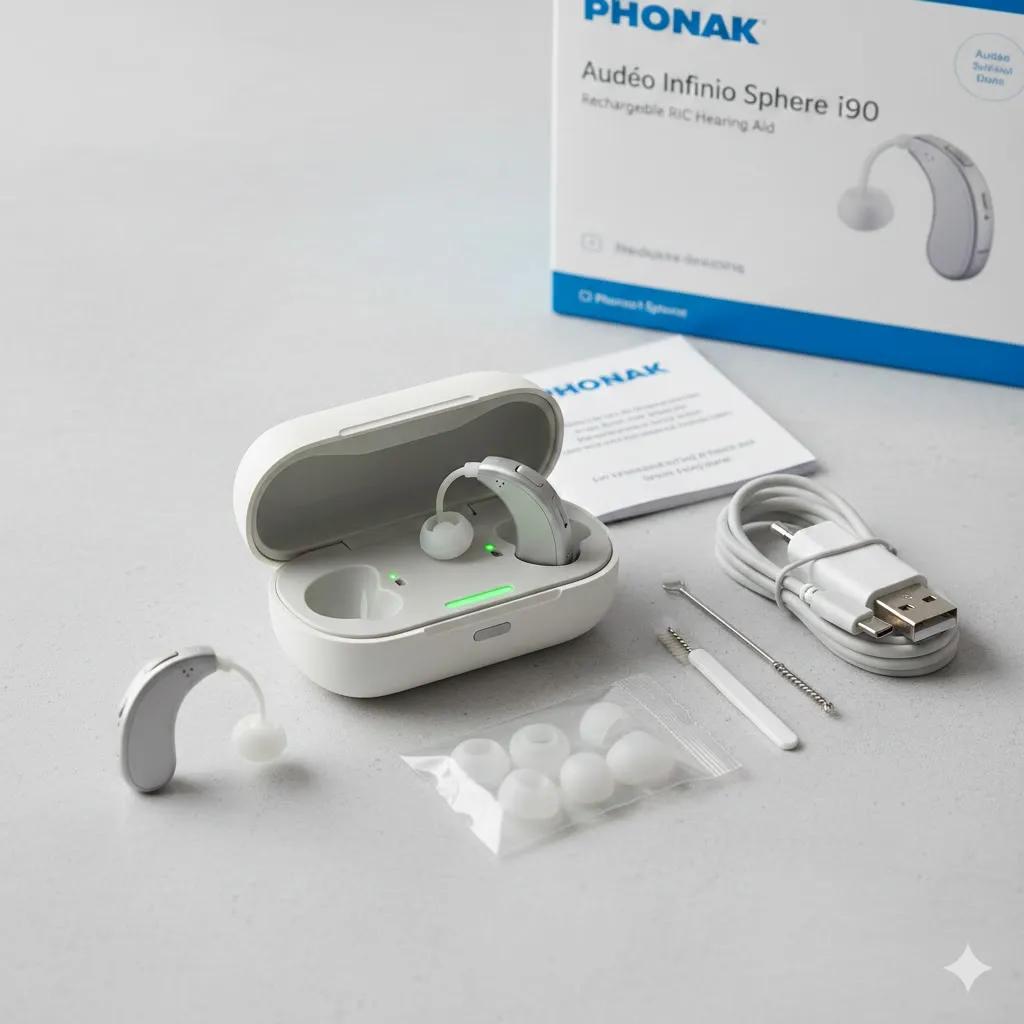
hearing aids in USA
Choosing the right hearing aid can feel overwhelming — especially with so many models, styles, and advanced features available today. If you’re searching for hearing aids in the USA, understanding how different models compare can help you make an informed decision that suits your hearing needs, lifestyle, and budget.
This comprehensive guide breaks down the most popular hearing aid styles, key features to look for, and how to choose the best device for you.
Why Model Comparison Matters
Hearing aids aren’t one-size-fits-all. The best device for someone with mild hearing loss may not work for someone with severe loss. Similarly, someone who enjoys music may need different features than someone who mostly watches TV.
Comparing hearing aid models and features helps you:
Understand differences in technology
Choose the right style for your lifestyle
Avoid overspending on unnecessary features
Maximize comfort and performance
Main Hearing Aid Styles
Here are the most common hearing aid styles available in the USA:
1. Behind-the-Ear (BTE)
BTE models sit behind the ear and connect to an ear mold inside the ear canal. These are:
Powerful and reliable
Suitable for mild to profound hearing loss
Easy to handle and adjust
BTE hearing aids often include advanced features and long battery life. They’re a great choice for first-time users and seniors.
2. Receiver-in-Canal (RIC)
RIC hearing aids are among the most popular in the USA. They place the speaker inside the ear canal while the main unit sits behind the ear.
Benefits:
Discreet appearance
Natural sound quality
Excellent for mild to severe loss
RIC devices often come with Bluetooth streaming and rechargeable options.
3. In-the-Ear (ITE)
These fit entirely inside the outer ear. They are custom-molded for comfort and are ideal for:
Seniors
Users who prefer easy insertion
Mild to moderate hearing loss
ITE models are visible but provide excellent comfort and usability.
4. In-the-Canal (ITC) & Completely-in-Canal (CIC)
ITC and CIC devices are smaller and more discreet. They fit inside the ear canal and are great for:
Mild to moderate hearing loss
Users who want minimal visibility
However, smaller size can mean shorter battery life and fewer features.
Key Features to Compare
Not all hearing aids are created equal. Here are the most important features you should compare when choosing a model:
1. Sound Quality & Processing
Better models provide clearer sound through:
Noise reduction
Feedback cancellation
Speech enhancement
These features make conversations easier, especially in noisy places.
2. Bluetooth Connectivity
Many modern hearing aids in the USA allow:
Streaming calls from your smartphone
Streaming music and podcasts
Wireless TV audio
Bluetooth connectivity makes life more convenient and enjoyable.
3. Rechargeable Batteries
Older hearing aids used disposable batteries, but many newer models offer rechargeable options. Rechargeables:
Save money over time
Are easier to handle
Often last a full day on a single charge
This feature is especially useful for people with dexterity issues.
4. Directional Mics
Directional microphones focus on speech in front of you while reducing background noise. This is a major advantage in restaurants, meetings, and busy places.
5. Customization & Programs
High-end models allow you to switch between listening programs — such as:
Quiet environments
Noisy environments
Music
Outdoor settings
Apps and remote controls often make this easier.
6. Automatic Adjustments
Some premium hearing aids adjust sound automatically based on your surroundings. This means fewer manual adjustments and a smoother experience.
Comparison by Level of Technology
Hearing aids can also be grouped by technology level:
Technology Level | Typical Features | Price Range (USA) |
|---|---|---|
Basic | Basic amplification | $800 – $1,500 |
Mid-Range | Noise reduction, some connectivity | $1,500 – $3,000 |
Premium | Automatic adjustment, Bluetooth, advanced features | $3,000 – $5,000+ |
Basic models are functional and great for mild loss. Mid-range models offer more comfort and clarity, while premium models provide leading-edge performance and convenience.
Who Should Choose Which Model?
Here’s a quick guide:
For Mild Hearing Loss
OTC or mid-range RIC
Smaller custom-fit ITC/CIC
For Active Lifestyles
Bluetooth and rechargeable models
RIC or BTE with directional mics
For Severe Hearing Loss
Powerful BTE models with advanced processing
Strong amplification and noise reduction
For Older Adults
Large controls
Easy-feel buttons
Rechargeable batteries
Clear sound prioritization
How to Test and Compare Successfully
Comparing hearing aids before buying improves your chances of satisfaction. Here’s how:
1. Start with a Hearing Test
A hearing test from an audiologist provides clarity on your needs.
2. Trial Multiple Models
Use trial periods to test devices in real-life settings — not just in quiet rooms.
3. Take Notes During Tests
Record what works well and what doesn’t.
4. Ask About Support
Good customer service in the USA often includes follow-ups, adjustments, and ongoing help.
Tips for Smart Shopping
To make the most of your investment:
Compare price vs features
Read user reviews and ratings
Ask about warranty and trial policies
Consider buying online for competitive pricing
Check for discounts, bundles, or OTC options
Final Thoughts
Choosing the right hearing aids in the USA means comparing models and features carefully. Whether you prioritize sound quality, wireless features, easy controls, or comfort — knowing what matters most helps you select a device that improves your daily life.
From basic models for mild loss to advanced premium devices packed with automatic settings and connectivity, there’s a solution available for every lifestyle. Take your time, compare wisely, and use trial periods to ensure you find the perfect fit.