

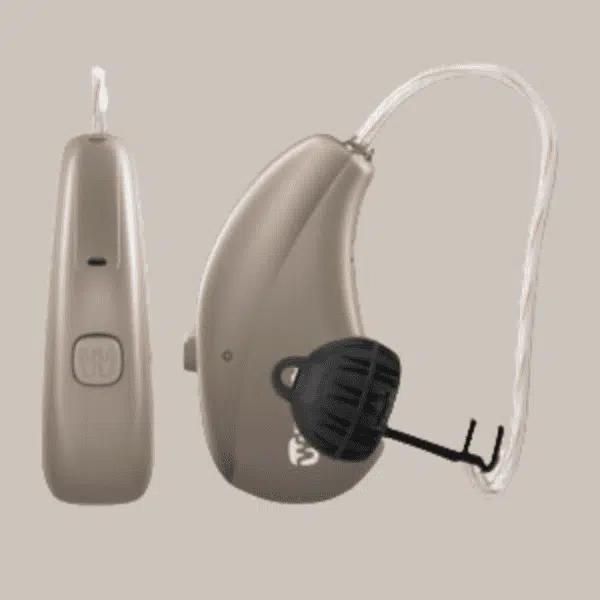
widex hearing aids
Ready to purchase Widex hearing aids but not sure where to start? Between audiologist clinics, online retailers, and big-box stores, there are more options than ever. But not all buying experiences are equal — especially when it comes to hearing aids. This guide walks you through the pros and cons of each option and what to expect during the buying process.
Buying from an Audiologist or Hearing Clinic
The most recommended route for purchasing Widex hearing aids is through a licensed audiologist or hearing clinic. This process typically begins with a comprehensive hearing test, followed by a device recommendation, professional fitting, and follow-up adjustments. While clinic prices may appear higher than online options, they usually bundle in professional services like fitting, programming, follow-up visits, and sometimes extended warranties. For first-time buyers, this guidance is invaluable.
Buying Widex Hearing Aids Online
Several reputable online retailers now sell Widex hearing aids, often at a discount compared to brick-and-mortar clinics. Platforms like HearingDirect and ZipHearing offer online consultations and can ship pre-programmed devices based on your audiogram. While the savings can be significant — sometimes hundreds of dollars — the trade-off is reduced hands-on professional support. If you already have an up-to-date audiogram and experience with hearing aids, online purchasing can be a smart option.
Big-Box Retailers and Costco
Costco's hearing centers carry a range of hearing aids at competitive prices, though they typically sell their own branded versions of major manufacturer products. You may find devices that use Widex or similar technology at a lower price point. Costco does employ licensed hearing instrument specialists, but the service level may differ from a dedicated audiology clinic. It's a viable option for budget-conscious shoppers who still want in-person support.
What to Expect During the Purchase Process
Whether you buy online or in a clinic, expect the process to include a hearing evaluation or review of your existing audiogram, a device recommendation based on your hearing loss type and lifestyle, an initial fitting and programming session, a trial period (usually 30 to 60 days) during which you can return or adjust the device, and follow-up visits to fine-tune the programming. Always ask about the return policy, warranty coverage, and what aftercare services are included in the price.
Does Insurance Cover Widex Hearing Aids?
Insurance coverage for hearing aids varies widely. Medicare traditionally does not cover hearing aids, but Medicare Advantage plans often include hearing benefits. Many private insurers offer partial coverage, typically $500 to $3,000 per device. Veterans may be eligible for free hearing aids through the VA. Always check your plan details and ask your audiologist's office for help with insurance verification before making a purchase decision.
Conclusion
Ready to purchase Widex hearing aids but not sure where to start? Between audiologist clinics, online retailers, and big-box stores, there are more options than ever. But not all buying experiences are equal — especially when it comes to hearing aids. This guide walks you through the pros and cons of each option and what to expect during the buying process. Additionally, buyers should consider factors such as ongoing maintenance, software updates, battery or charging requirements, and access to future support. Hearing aids are a long-term investment in your quality of life, so choosing the right provider matters just as much as selecting the right device. Taking the time to compare services, pricing, and support options can help ensure a smoother and more satisfying hearing care experience.